

How does the size of a UPVC Cross Tee affect its flow rate?
Nov 16, 2026
Leave a message
When it comes to plumbing systems, UPVC (Unplasticized Polyvinyl Chloride) cross tees are essential components that play a crucial role in distributing fluid flow. As a supplier of UPVC cross tees, I have witnessed firsthand the significance of understanding how the size of these fittings affects their flow rate. In this blog post, I will delve into the scientific principles behind this relationship and explore the practical implications for various applications.
The Basics of UPVC Cross Tees
Before we dive into the impact of size on flow rate, let's first understand what a UPVC cross tee is. A cross tee is a plumbing fitting that has four openings, allowing for the connection of four pipes at right angles to each other. It is commonly used in plumbing systems to distribute fluid flow in multiple directions, making it a versatile and essential component.
UPVC cross tees are made from unplasticized polyvinyl chloride, a rigid and durable material that is resistant to corrosion, chemicals, and high temperatures. This makes them ideal for a wide range of applications, including residential, commercial, and industrial plumbing systems.
Understanding Flow Rate
Flow rate refers to the volume of fluid that passes through a pipe or fitting per unit of time. It is typically measured in liters per minute (L/min) or gallons per minute (GPM). The flow rate of a UPVC cross tee is influenced by several factors, including the size of the fitting, the pressure of the fluid, and the viscosity of the fluid.
The Impact of Size on Flow Rate
The size of a UPVC cross tee has a significant impact on its flow rate. Generally, larger cross tees have a higher flow rate than smaller ones. This is because larger cross tees have a larger internal diameter, which allows for a greater volume of fluid to pass through them.

To understand this concept better, let's consider an analogy. Imagine a garden hose with a small diameter and a large diameter. The larger diameter hose will allow more water to flow through it than the smaller diameter hose, even if the water pressure is the same. Similarly, a larger UPVC cross tee will allow more fluid to flow through it than a smaller one, all other factors being equal.
Factors Affecting Flow Rate
While the size of a UPVC cross tee is an important factor in determining its flow rate, it is not the only one. Other factors that can affect the flow rate include:
- Pressure: The pressure of the fluid in the plumbing system can have a significant impact on the flow rate. Higher pressure will generally result in a higher flow rate, while lower pressure will result in a lower flow rate.
- Viscosity: The viscosity of the fluid refers to its resistance to flow. Fluids with a higher viscosity, such as oil or syrup, will flow more slowly than fluids with a lower viscosity, such as water. This means that the flow rate of a UPVC cross tee will be lower when the fluid is more viscous.
- Pipe Length and Fittings: The length of the pipes and the number of fittings in the plumbing system can also affect the flow rate. Longer pipes and more fittings will result in more resistance to flow, which will reduce the flow rate.
Practical Implications
Understanding how the size of a UPVC cross tee affects its flow rate is essential for designing and installing plumbing systems. By choosing the right size cross tee for a particular application, you can ensure that the system operates efficiently and effectively.
For example, in a residential plumbing system, a larger UPVC cross tee may be required to handle the higher flow rates associated with multiple fixtures, such as toilets, sinks, and showers. On the other hand, in a commercial or industrial plumbing system, a smaller cross tee may be sufficient for applications that require lower flow rates, such as irrigation systems or small-scale water distribution.
Choosing the Right Size UPVC Cross Tee
When choosing a UPVC cross tee, it is important to consider the specific requirements of your plumbing system. Here are some factors to keep in mind:
- Flow Rate: Determine the required flow rate for your application based on the number of fixtures and the volume of fluid that needs to be distributed.
- Pipe Size: Choose a cross tee that is compatible with the size of the pipes in your plumbing system.
- Pressure: Consider the pressure of the fluid in the system and choose a cross tee that can handle the required pressure.
- Application: Consider the specific application of the cross tee, such as residential, commercial, or industrial, and choose a fitting that is suitable for the environment.
Other UPVC Fittings
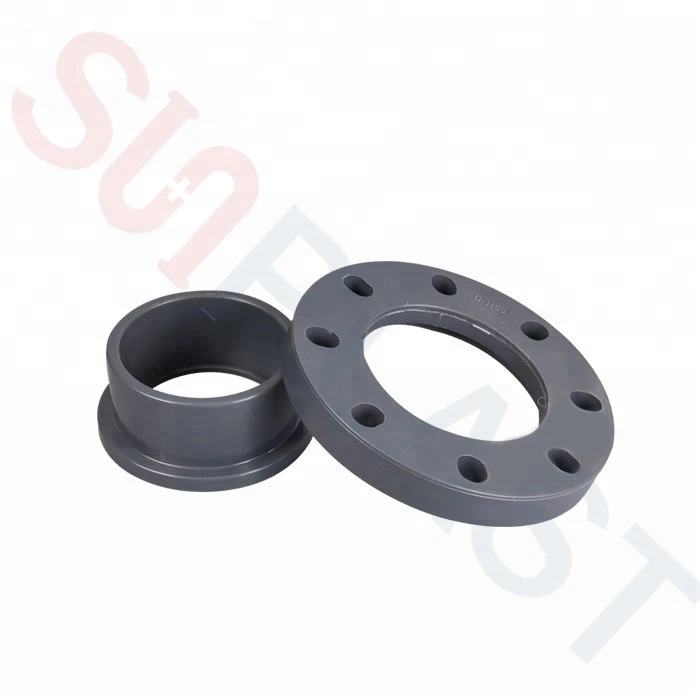
In addition to UPVC cross tees, there are other types of UPVC fittings that can be used in plumbing systems. Some of these include UPVC Vanstone Flange, UPVC Reducer, and more. These fittings can be used in combination with cross tees to create a comprehensive plumbing system that meets the specific needs of your application.
Conclusion
In conclusion, the size of a UPVC cross tee has a significant impact on its flow rate. By understanding the scientific principles behind this relationship and considering the specific requirements of your plumbing system, you can choose the right size cross tee for your application. This will ensure that your system operates efficiently and effectively, providing reliable fluid distribution for years to come.
If you are in need of high-quality UPVC cross tees or other UPVC fittings, please feel free to contact us to discuss your requirements. Our team of experts is here to help you find the right solutions for your plumbing needs.
References
- Smith, J. (2020). Plumbing Handbook. ABC Publishing.
- Johnson, R. (2019). Fluid Mechanics for Plumbers. XYZ Press.