

How to install HDPE Ferrule Tee in a construction - site pipeline?
Sep 01, 2026
Leave a message
How to install HDPE Ferrule Tee in a construction - site pipeline?
When it comes to construction - site pipelines, HDPE (High - Density Polyethylene) ferrule tees are essential components. As a reliable HDPE Ferrule Tee supplier, I am here to share a detailed guide on how to install these tees in a construction - site pipeline.
1. Preparation
Before starting the installation process, it is crucial to have all the necessary tools and materials ready. You will need an HDPE Ferrule Tee, HDPE pipes of the appropriate size, a pipe cutter, a deburring tool, a measuring tape, and a pipe wrench. Additionally, ensure that the pipes and the tee are clean and free from any dirt, debris, or moisture. Inspect the HDPE Ferrule Tee for any visible damage or defects. If you need other related fittings, you can check out our HDPE Compression Male Thread Adaptor, HDPE Compression Equal Tee, and HDPE Compression Female Thread Tee on our website.

2. Measuring and Cutting the Pipes
Use a measuring tape to determine the correct length of the HDPE pipes that need to be connected to the tee. Mark the pipes at the appropriate points and use a pipe cutter to make a clean, straight cut. After cutting, use a deburring tool to remove any rough edges or burrs from the cut ends of the pipes. This step is important as it ensures a proper seal and connection between the pipes and the tee.
3. Preparing the HDPE Ferrule Tee
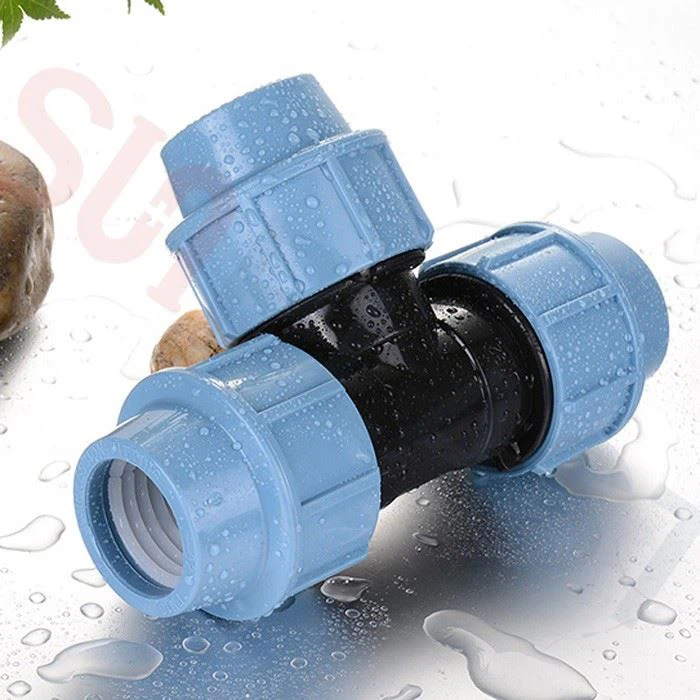
Examine the HDPE Ferrule Tee carefully. It usually consists of a body, ferrules, and nuts. The ferrules are designed to grip the pipes tightly, and the nuts are used to secure the connection. Make sure the ferrules are in good condition and are of the correct size for the pipes.
4. Inserting the Pipes into the Tee
Slide the nuts onto the pipes first, followed by the ferrules. Then, insert the pipes into the corresponding ports of the HDPE Ferrule Tee. Ensure that the pipes are inserted fully into the ports. The ferrules should be positioned at the appropriate place near the end of the pipe, close to the tee.
5. Tightening the Nuts
Use a pipe wrench to tighten the nuts onto the tee. Start by hand - tightening the nuts as much as possible, and then use the pipe wrench to apply additional torque. However, be careful not to over - tighten the nuts, as this can damage the pipes or the tee. A general rule of thumb is to tighten the nuts until they are snug and there is no visible movement between the pipes and the tee.
6. Leak Testing
After the installation is complete, it is essential to perform a leak test. Close all the valves in the pipeline and fill the pipeline with water. Check for any leaks at the connections between the pipes and the HDPE Ferrule Tee. If there are any leaks, loosen the nuts slightly, re - position the ferrules if necessary, and then retighten the nuts. Repeat the leak test until there are no more leaks.
7. Considerations during Installation
- Pipe Alignment: Ensure that the pipes are properly aligned with the ports of the tee. Misalignment can lead to leaks and reduced performance of the pipeline.
- Temperature: HDPE pipes and fittings are sensitive to temperature. Avoid installing them in extreme cold or hot conditions. If the temperature is too low, the pipes may become brittle and more prone to cracking. If the temperature is too high, the material may expand and affect the fit of the connection.
- Safety: Wear appropriate safety gear, such as gloves and safety glasses, during the installation process. This will protect you from any potential injuries, such as cuts from the pipe cutter or burns from hot pipes (if using heat - welding methods in some cases).
8. Maintenance and Long - term Performance
Once the HDPE Ferrule Tee is installed, it is important to maintain the pipeline regularly. Check the connections periodically for any signs of wear or damage. If any issues are detected, replace the damaged parts immediately. HDPE pipes and fittings are known for their durability and corrosion resistance, but proper maintenance can extend their lifespan and ensure the long - term performance of the pipeline.
9. Advantages of Using HDPE Ferrule Tees
- Flexibility: HDPE Ferrule Tees are flexible, which allows for easy installation in various pipeline configurations. They can adapt to different angles and layouts without the need for complex bending or shaping.
- Corrosion Resistance: HDPE is highly resistant to corrosion, making it suitable for use in a wide range of environments, including those with aggressive chemicals or high humidity.
- Leak - Proof: The ferrule design provides a tight and reliable seal, reducing the risk of leaks in the pipeline. This is especially important in applications where fluid leakage can cause significant damage or safety hazards.
10. Why Choose Our HDPE Ferrule Tees
As a leading HDPE Ferrule Tee supplier, we offer high - quality products that meet the strictest industry standards. Our tees are made from premium HDPE materials, ensuring durability and long - term performance. We also provide excellent customer service and technical support to assist you with your installation and any related questions.
If you are in need of HDPE Ferrule Tees or other related HDPE pipe fittings for your construction - site pipeline, please feel free to contact us for a consultation. We are ready to help you find the best solutions for your project.
References
- "HDPE Pipe Installation Manual", Industry Standards Publication
- "Guide to Plastic Pipe Fittings", Technical Handbook