

How to optimize the layout of HDPE pipe fittings in a system?
Jun 24, 2026
Leave a message
Hey there! As a supplier of HDPE pipe fittings, I've seen firsthand how crucial it is to optimize the layout of these fittings in a system. In this blog, I'll share some tips and tricks on how to do just that.
Understanding the Basics of HDPE Pipe Fittings
Before we dive into optimization, let's quickly go over what HDPE pipe fittings are. HDPE, or High-Density Polyethylene, is a durable and flexible material commonly used in plumbing, irrigation, and other fluid transfer systems. HDPE pipe fittings are components that connect HDPE pipes together, allowing for changes in direction, size, and flow.
There are various types of HDPE pipe fittings available, each with its own specific use. For example, the HDPE Butt Fusion Reducer is used to connect pipes of different diameters, while the HDPE Compression Male Thread Tee is great for creating branch connections. And the HDPE Butt Fusion Flange Adaptor is useful for connecting HDPE pipes to other types of pipes or equipment.
Factors to Consider for Layout Optimization
System Requirements
The first step in optimizing the layout of HDPE pipe fittings is to understand the system requirements. This includes factors like the flow rate, pressure, and temperature of the fluid being transported. For instance, if you're dealing with a high-pressure system, you'll need to choose fittings that can withstand that pressure. You also need to consider the type of fluid – whether it's water, chemicals, or something else – as this can affect the choice of fittings.
Space Constraints
Another important factor is the available space. In some installations, space might be limited, which means you'll have to be creative with your fitting layout. You might need to use compact fittings or find ways to route the pipes more efficiently to fit within the available space.
Maintenance and Accessibility
Don't forget about maintenance and accessibility. You'll want to ensure that all the fittings are easily accessible for inspection, repair, or replacement. This means leaving enough space around the fittings and avoiding placing them in hard-to-reach areas.
Steps to Optimize the Layout
Plan the Pipe Route
Start by planning the route of the pipes. Look at the overall layout of the system and determine the most direct and efficient path for the pipes to follow. Try to minimize the number of bends and turns, as these can increase friction and reduce the flow rate.
Select the Right Fittings
Based on the system requirements and the planned pipe route, select the appropriate HDPE pipe fittings. Make sure the fittings are compatible with the pipes in terms of size, material, and pressure rating. For example, if you need to change the direction of the pipe, choose an elbow fitting with the right angle.
Arrange the Fittings Strategically
Once you've selected the fittings, arrange them strategically along the pipe route. Place fittings where they are needed to make the necessary connections or changes in the system. Consider the flow direction and make sure the fittings are installed in the correct orientation.
Use Fittings to Reduce Pressure Loss
To optimize the system further, use fittings that can help reduce pressure loss. For example, using smooth-walled fittings can minimize friction and keep the flow rate consistent. Also, avoid using too many fittings in a row, as this can increase pressure drop.
Consider Future Expansion
If there's a possibility of future expansion or modification of the system, plan the fitting layout accordingly. Leave some extra space and use fittings that can easily accommodate future connections or changes.
Real-World Examples of Layout Optimization
Let's take a look at a real-world example to see how these principles work in practice. Suppose you're installing an irrigation system in a large agricultural field. The system needs to cover a wide area, and there are different zones that require different flow rates.
First, you'd plan the pipe route to ensure that the water can reach all parts of the field efficiently. You might use a combination of straight pipes and elbows to navigate around obstacles. Then, you'd select the appropriate fittings, such as reducers to connect pipes of different sizes and tees to create branch connections for the different zones.

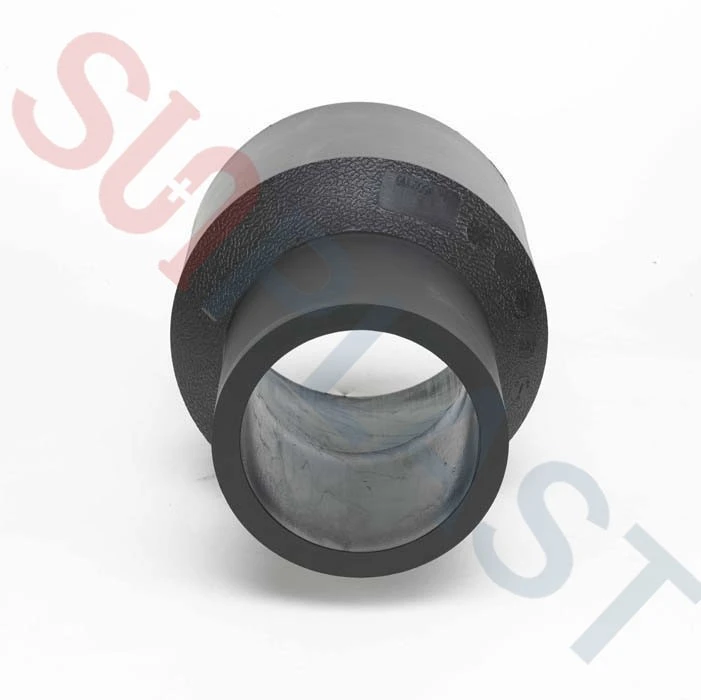
You'd arrange the fittings in a way that allows for easy access and maintenance. For example, you might group the fittings in areas where they can be easily reached from a service path. And to reduce pressure loss, you'd use smooth-walled fittings and avoid unnecessary bends.
Benefits of Optimizing the Layout
Optimizing the layout of HDPE pipe fittings offers several benefits. Firstly, it improves the efficiency of the system. By reducing pressure loss and ensuring a smooth flow of fluid, you can save energy and reduce operating costs.
Secondly, it enhances the reliability of the system. A well-planned layout reduces the risk of leaks, blockages, and other issues that can lead to system failures. This means less downtime and fewer maintenance requirements.
Finally, it makes the installation and maintenance process easier. When the fittings are arranged in a logical and accessible way, it's quicker and simpler to install the system and carry out any necessary repairs or upgrades.
Conclusion
Optimizing the layout of HDPE pipe fittings is a crucial step in ensuring the efficient and reliable operation of a fluid transfer system. By considering factors like system requirements, space constraints, and maintenance, and following the steps outlined above, you can create a layout that meets your needs and provides long-term benefits.
If you're in the market for HDPE pipe fittings or need advice on optimizing your system layout, don't hesitate to reach out. We're here to help you find the best solutions for your project.
References
- Industry standards and guidelines for HDPE pipe installation
- Technical literature from HDPE pipe fitting manufacturers